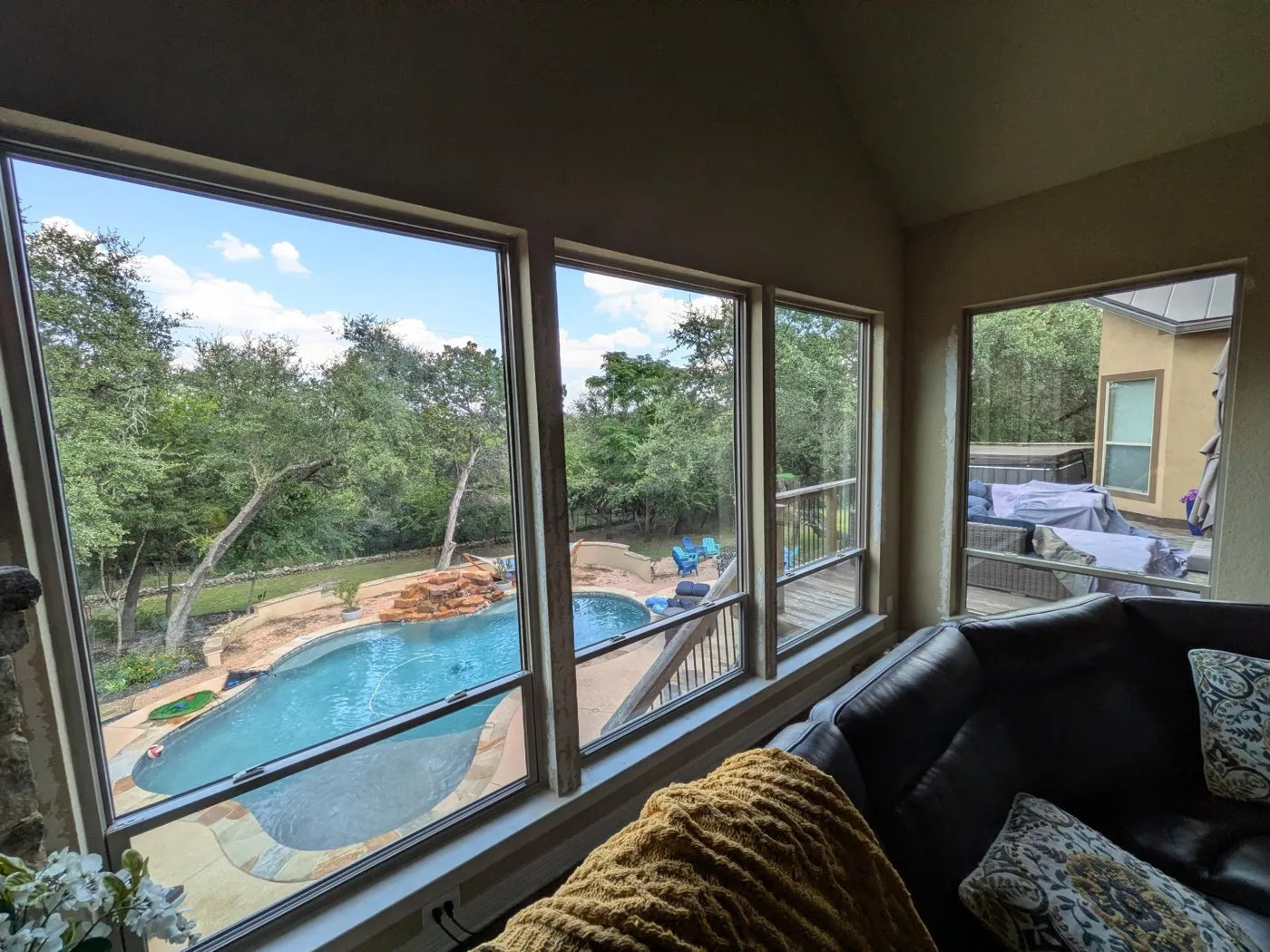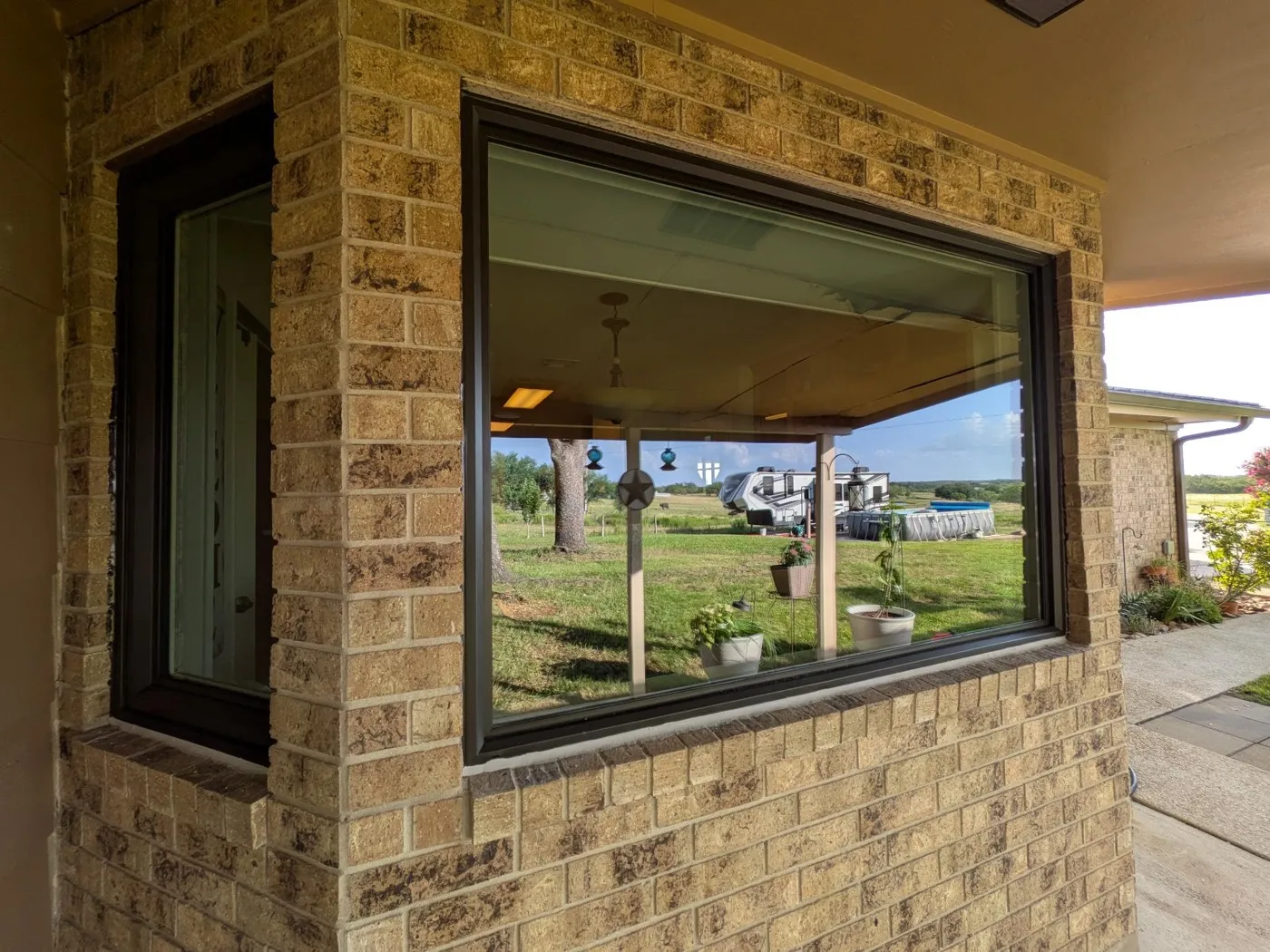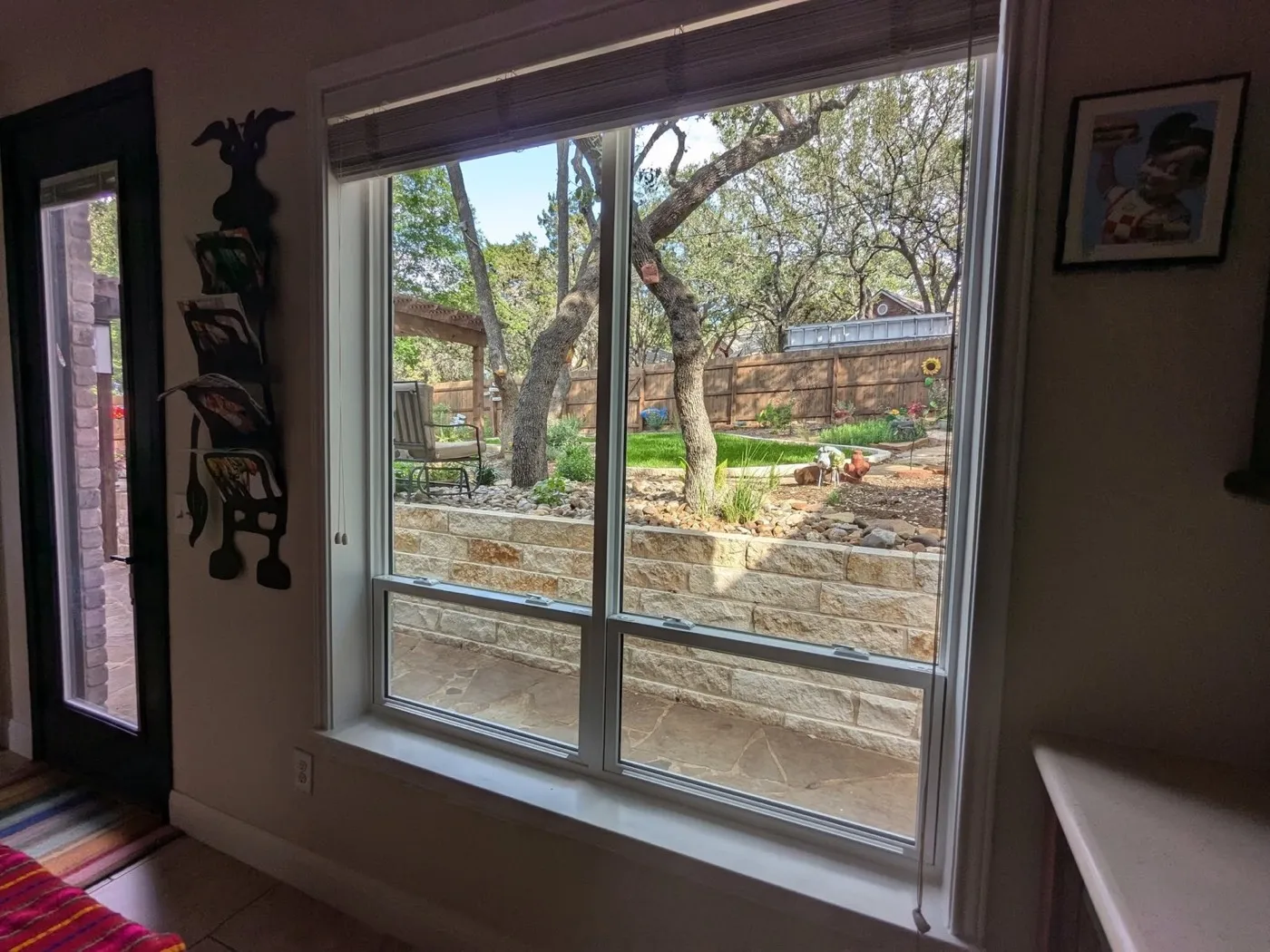
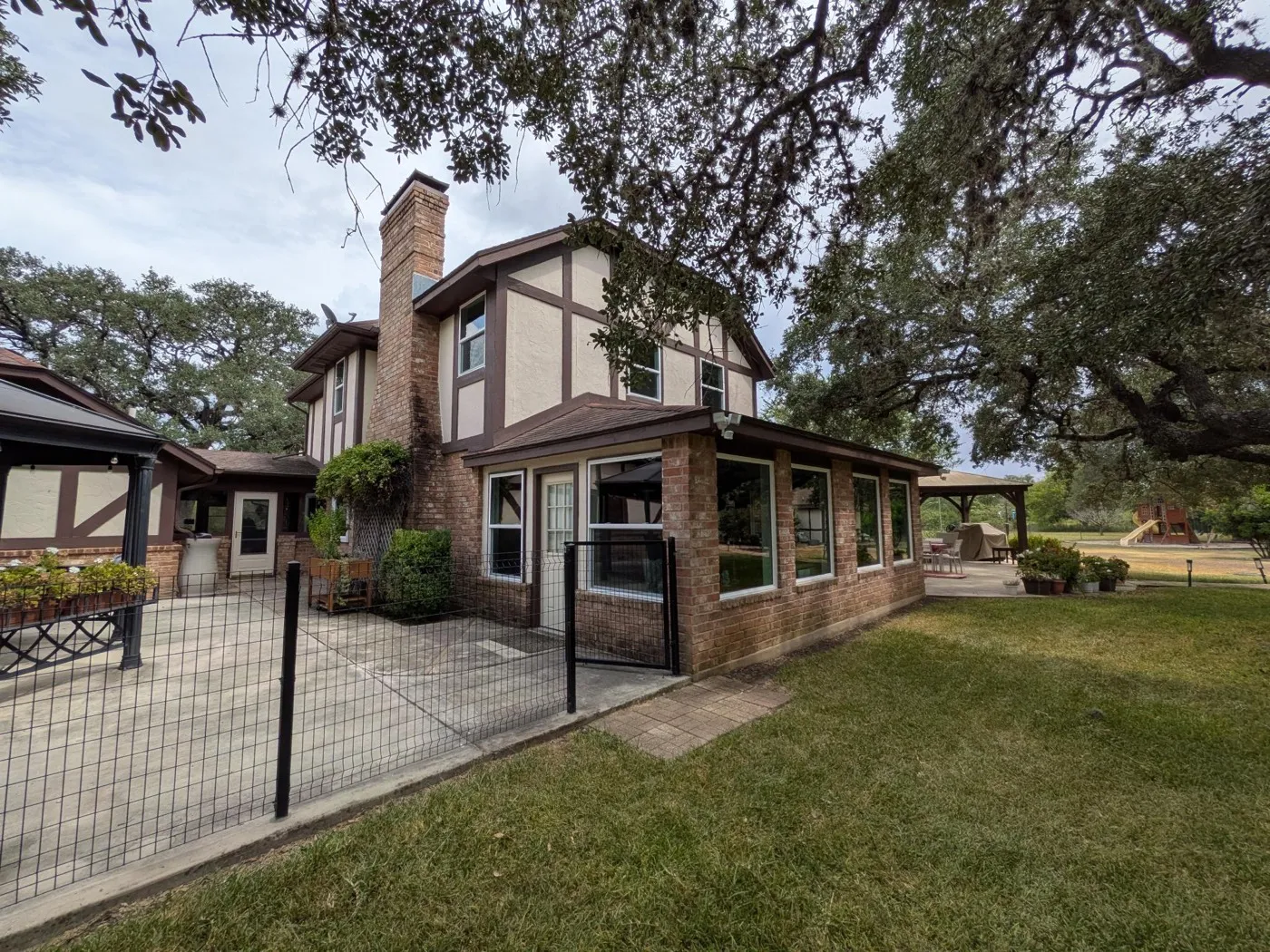
Where your home lands in that range depends on custom sizes, shaped windows, tempered glass, premium coatings, colors, and other options, so we don’t quote from a price sheet.
We’re an authorized Anlin dealer, and we install VistaMark, so we’re not neutral.
A 3′×5′ single-hung in white is about $1,050 installed, which is our typical price. A small picture window starts at about $900. The rest of this guide covers what pushes a window above that.
A small step up in price can be a big step up in the window, but only if you know what you’re comparing: the glass, the frame, and what the warranty pays for.
What moves the price
The reference window is a plain 3′×5′ single-hung. Real houses have bigger windows, odd shapes, and walls that fight back. These are the things that change a quote.
Size. Bigger windows cost more: more glass, more frame, more labor to handle. Above certain sizes a window also needs tempered glass or other upgrades, which adds to the jump.
Tempered glass. Building codes require safety glass in hazardous locations. The model residential code that cities adopt, the International Residential Code (section R308.4), lists spots like glass in or next to doors, glass near tubs and showers, and large panes set low to the floor. Tempered glass costs more than standard glass. It isn’t an upsell: if a window needs it, every installer has to use it, so every quote you compare should include it in the same places.
Style. Single-hungs are the baseline. Arched, round-top, and other custom shapes cost more, and so do large picture windows.
Glass. Standard Low-E glass is right for most rooms here. West- and south-facing rooms can be worth a step up to stronger solar glass, and noisy sides of the house can be worth sound-reducing or laminated glass. Each is an added cost, and you can add it room by room instead of to the whole house. We include argon in every Anlin window we install, so that isn’t a line item. See Low-E glass, solar heat gain, and sound glass.
Frame colors and grids. White is the baseline. Anlin’s Tan and Adobe cost slightly more than white. Anlin’s ThermaCoat and Designer Black cost noticeably more. Grids (grilles) between the glass cost more.
Your exterior. We typically do a retrofit with a block-frame window. The old window comes out, including its frame, and the new window goes in the existing opening. The stucco, siding, and drywall stay. On a stucco home, that window is Anlin’s stucco-flange version of the block-frame window. Stucco, brick, stone, and wood trim each seal differently, and stone is the trickiest because it isn’t flat.
Repairs. Trim is never assumed to be included in a window replacement. We replace it only when it’s needed and agreed to. When it’s clear how much trim is needed, the contract spells that work out. When it isn’t, the contract sets a rate per piece for each side of a window, left, top, right, and bottom, that turns out to need replacing. If we spot rot while measuring, we point it out. We show you the rot and the cost before we replace it. We usually use LP SmartSide trim, engineered wood treated to resist termites and moisture.
Per window or whole house?
Cost guides often quote a “whole-house” price, which assumes a house with a certain number and mix of windows. Yours won’t match it. A per-window price is easier to compare, but you can’t simply multiply it by your window count either: a house with several large picture windows, a pair of arched windows, and two bathroom windows that need tempered glass will come out differently from one with all standard single-hungs.
The useful number is a quote for your openings, priced window by window, in the brands you’re considering. We quote whole houses and we quote a few windows after a hail storm; the process is the same.
Tax credits and rebates
We don’t administer tax credits or rebates. We can give you the window’s NFRC and ENERGY STAR specs so you can check whether a federal credit or a utility rebate applies. The federal Energy Efficient Home Improvement Credit, Internal Revenue Code (IRC) section 25C, covered windows installed from 2023 through 2025, so 2026 installs don’t qualify. CPS Energy doesn’t currently offer a window rebate that we know of. New windows can still lower your bills, especially if you have older single-pane glass or double-pane glass with no Low-E coating. ENERGY STAR’s 2023 model of a typical two-story San Antonio home found that replacing single-pane clear windows with today’s ENERGY STAR windows saved about $535 a year, or about $344 a year starting from clear double-pane glass. Those estimates use 2022 Texas energy prices, and your savings will depend on your home, how much sun your windows get, and your utility rates. The savings come from lower cooling bills, not a check.
Be careful with any quote that leans on a tax credit to make the number look smaller.
How a quote works with us
- Call or text 210-548-8711. The phone call is free, usually 5–15 minutes, and we can usually give you a ballpark price estimate at the end. We quote the same way in the other towns we serve.
- In-home visit. The visit takes an hour to an hour and a half. David walks you through frame colors, styles, and glass. He measures each opening at the visit, near the end, so the quote is accurate.
- A written quote emailed after the visit, usually within 24 hours, for the whole job. We quote the brand that fits. We quote both only when there’s a reason, such as a configuration you want or a more economical price, especially on colored windows. It’s good for 21 days from the date we send it.
- No pressure. One upfront price. Get other quotes and compare.
If you go ahead, David takes final measurements before we order. Most windows reach our warehouse in 4–5 weeks. Lead times are counted from when we place your order with the manufacturer, which happens after your contract is finalized. We’ll schedule your installation with you as soon as we know your windows are on a truck to us, and we’ll bring them to your home on installation day.
One lump-sum quote, 50% at signing and the rest at completion. How you can pay is in the questions below.
Two things worth comparing besides the bottom line: the glass you’re actually getting (ask for the SHGC), and what the warranty pays for in Texas, especially labor. Anlin’s warranty covers parts and labor for as long as you own and live in the home; VistaMark’s covers parts only.